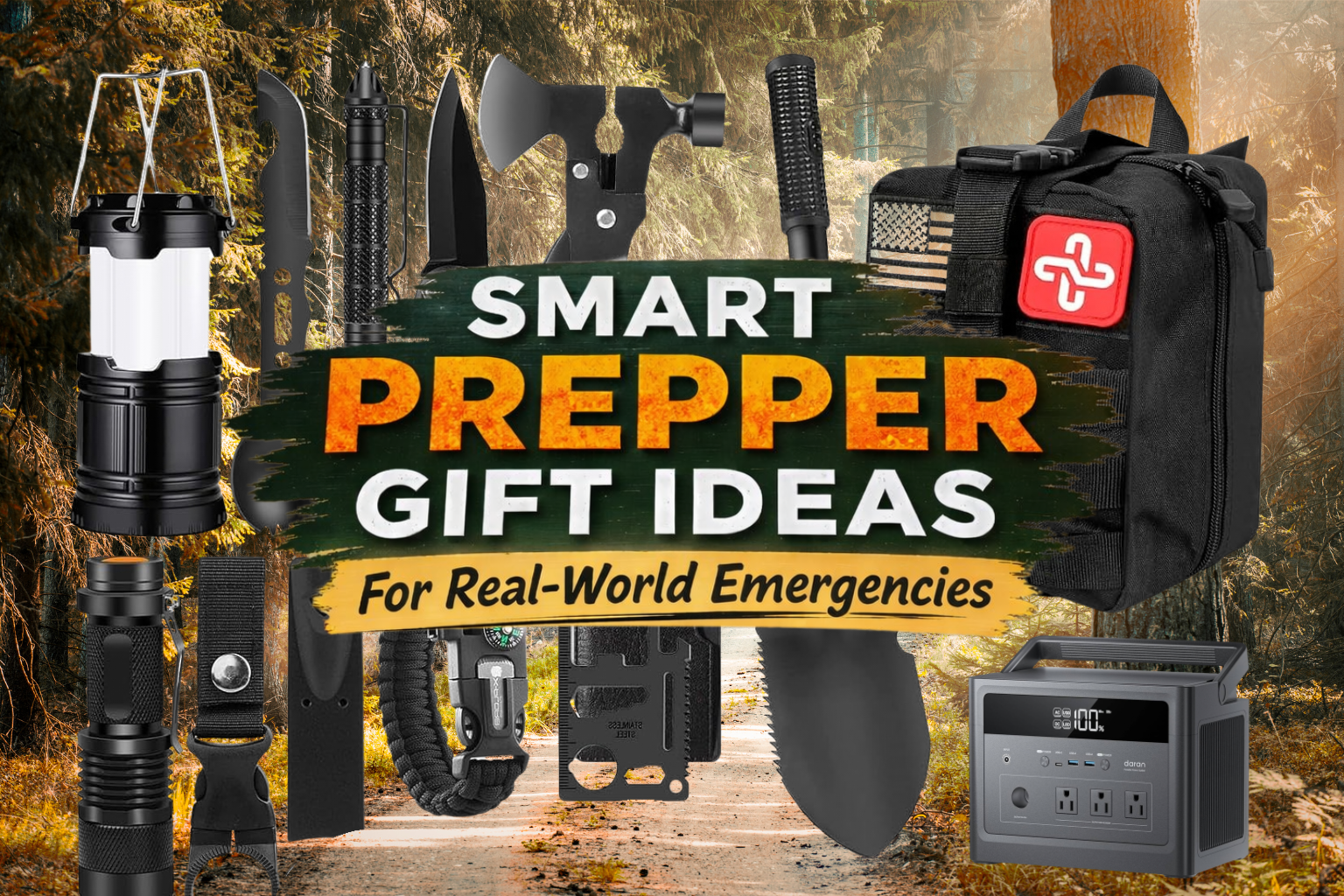
Preparedness for Real Life, Not Doomsday
Power outages. Winter storms. Highway breakdowns. Minor injuries at home. Most emergencies are not movie scenes, they are real-life disruptions that get stressful fast when you are not ready.
The good news is you don’t need a bunker or a garage full of gear to start. Emergency prep for real life is about making a few smart choices that cover the basics, then building from there.
A simple way to keep preparedness practical is to think in five pillars. If you strengthen these over time, you will be ahead of most people:
- Medical readiness: handle injuries before help arrives
- Basic survival gear: warmth, light, shelter, and small repairs
- Vehicle preparedness: the car is often where problems happen
- Backup power: keep devices and essentials running during outages
- Knowledge and morale: skills plus a calm mindset
These six prepper gift ideas were chosen to support one or more of those pillars. They work as practical gifts for beginners, but they also make sense for anyone tightening up their home and travel readiness.
1) Medical Readiness: Start With First Aid
If you buy only one preparedness item, make it first aid. Injuries are common and time matters. Cuts happen in the kitchen. People slip on ice. Accidents happen on the road. Having the right supplies in one place can turn a chaotic moment into something you can handle.
Below are two different approaches: one focused first aid kit with upgraded features, and one broader kit that mixes survival tools with basic medical supplies.
SurviveX Large First Aid Kit
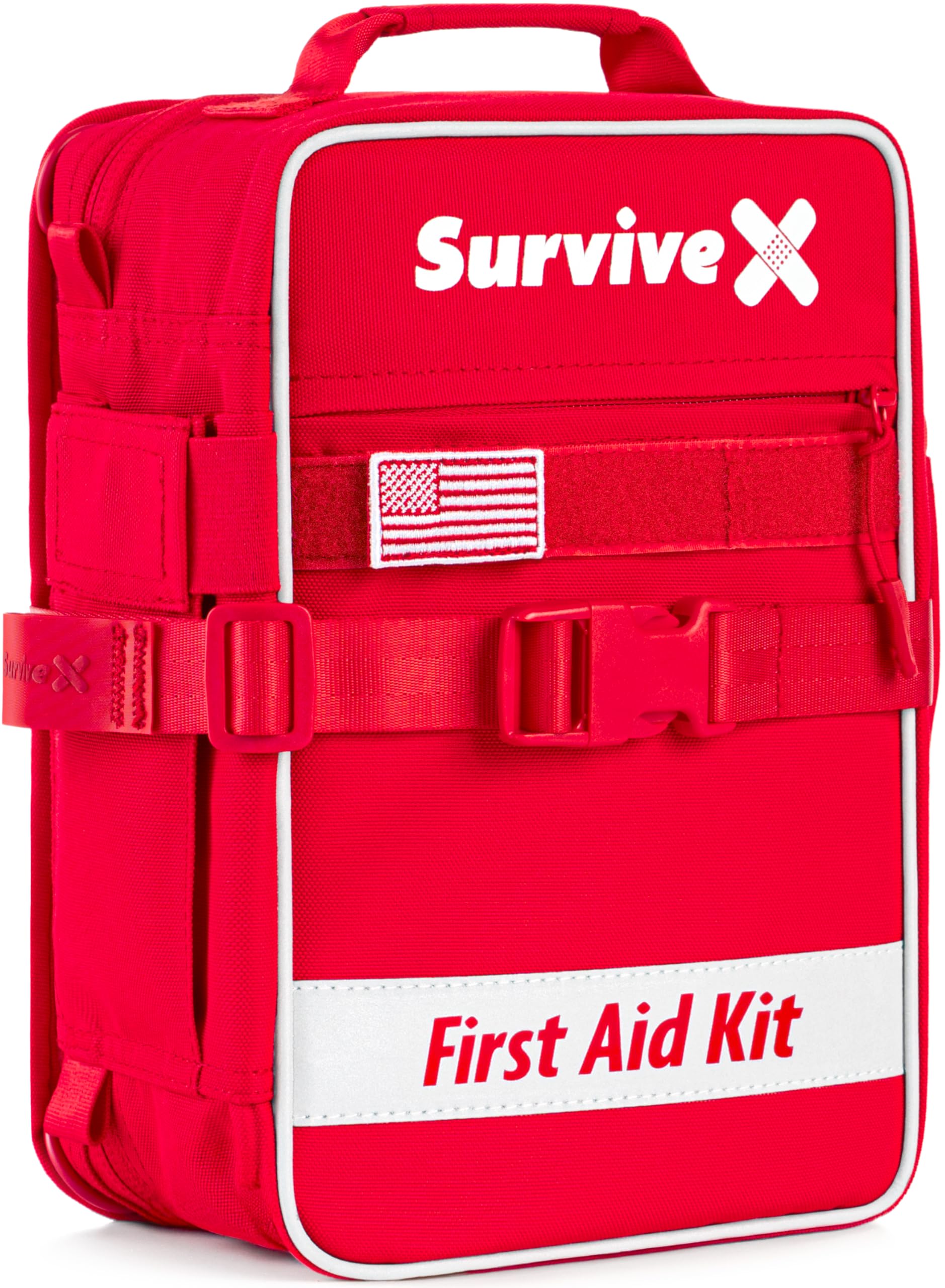
This is a strong gift for someone who wants a serious, well-organized first aid setup without having to build one from scratch.
Pros
- Smart layout with labeled, color-coded sections
- Includes wound closure strips for deeper cuts
- Easy to mount or attach to backpacks
Cons
- Packed tight with little room to add extras
- Costs more than basic kits
- May feel bulky for small day trips
What makes this kit feel “prepper-ready” is that it goes beyond bandaids. It is built for quick access, which matters when adrenaline is high. The color-coded sections help you find what you need fast, instead of dumping supplies on the floor while someone is bleeding or in pain.
The standout feature is the zip-style wound closure strips. They are designed to help close cuts without stitches, which adds real capability compared to most basic kits. For beginners, it is reassuring to have higher-level tools included even if you hope you never need them.
The bag is also designed to move with you. You can mount it at home, store it in the car, or attach it to outdoor gear with MOLLE straps. That flexibility makes it a smart gift because it works for everyday life, not just camping or hiking.
HIHEGD 250-Piece Survival Kit
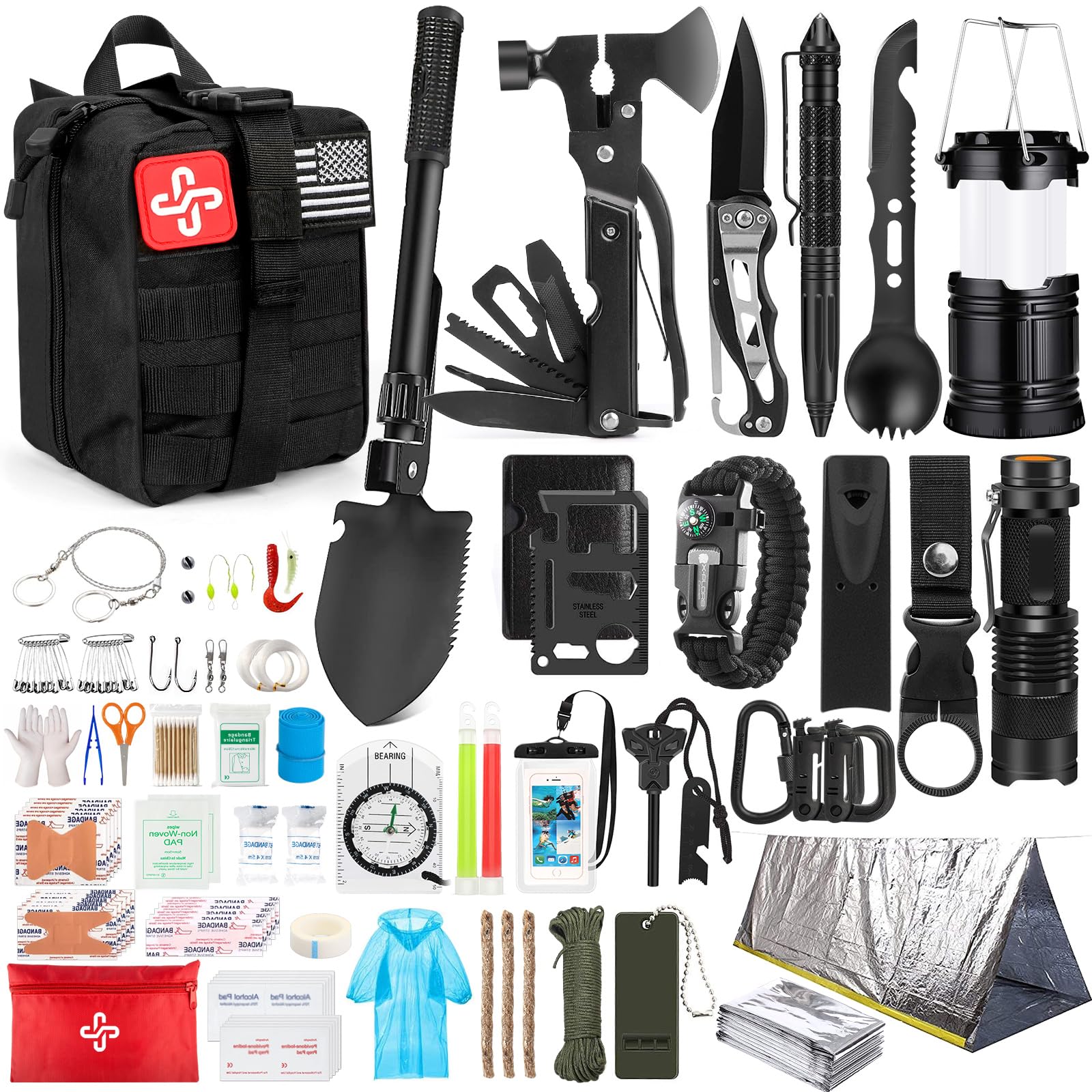
This kit works well as a “starter bundle” gift for someone building a trunk kit or go-bag and wanting broad coverage at a reasonable price.
Pros
- Wide mix of tools for roadside and outdoor needs
- Bright first aid pouch stands out in an emergency
- Molle straps let us attach it to a backpack or car seat
Cons
- Some tools feel basic rather than heavy-duty
- Folding shovel is small for tough jobs
- Packed tight, so it takes effort to repack neatly
For beginners, the biggest win here is momentum. Instead of spending weeks researching individual items, this kit gets you moving with tools for warmth, light, shelter, and minor repairs. It includes items like a fire starter, emergency blanket, whistle, and cutting tools, plus a small first aid kit.
The red first aid pouch is easy to spot quickly, which is helpful in stressful moments or low light. While the medical supplies are more “basic” than the SurviveX kit, they still cover common needs like cuts and scrapes, especially during travel.
This is a practical choice for a trunk kit. In a winter breakdown, an emergency tent and blanket can help hold body heat while you wait for help. The value is not that every tool is top-tier. The value is that a beginner gets a wide range of useful tools in one compact bag.
2) Vehicle Preparedness: Your Car Is Part of the Plan
For most people, the highest-risk place to be unprepared is the car. It is where you are most likely to get stuck, cold, tired, or unable to quickly get help. A dead battery or flat tire is not a big deal if you have tools, light, and a plan. Without that, it becomes a problem fast.
Everlit Roadside Survival Car Kit

If you want one trunk bag that covers the most common roadside problems, this is a strong all-around pick and an easy gift for new drivers, commuters, and road-trippers.
Pros
- Combines jumper cables, air compressor, and first aid kit in one set
- Compact bag keeps tools organized in the trunk
- Strong ratings and solid build for long-term use
Cons
- Bag is heavier than basic roadside kits
- First aid supplies may feel basic for advanced needs
- Takes up more trunk space than smaller kits
What makes this kit feel practical is that it focuses on the scenarios people actually face: a flat tire, a dead battery, or getting stuck during bad weather. The digital tire inflator is especially useful because you can plug it in, set the pressure, and let it stop automatically. That makes a stressful situation feel much more manageable.
Jumper cables and a tow strap cover the “I need help now” moments. Safety items like reflective gear add protection when you are stuck on the roadside, especially at night or during winter storms. The glass breaker and seatbelt cutter are also the kind of tools you hope to never use, but you are glad to have.
The included first aid kit is not a replacement for a dedicated medical bag like the SurviveX, but it handles common travel needs. Overall, this is a solid preparedness gift because it protects someone in a place where a small problem can escalate quickly.
3) Backup Power: Modern Preparedness Is About Staying Connected
In the past, preparedness meant candles and a radio. Now, power is tied to almost everything: phones, flashlights, internet access, work, medical devices, and even the ability to get updates during storms. Losing power for a few hours is annoying. Losing it for days changes how you live.
A portable power station is one of the most practical “upgrade” gifts you can give because it solves multiple problems at once.
DARAN CUBE600L Portable Power Station
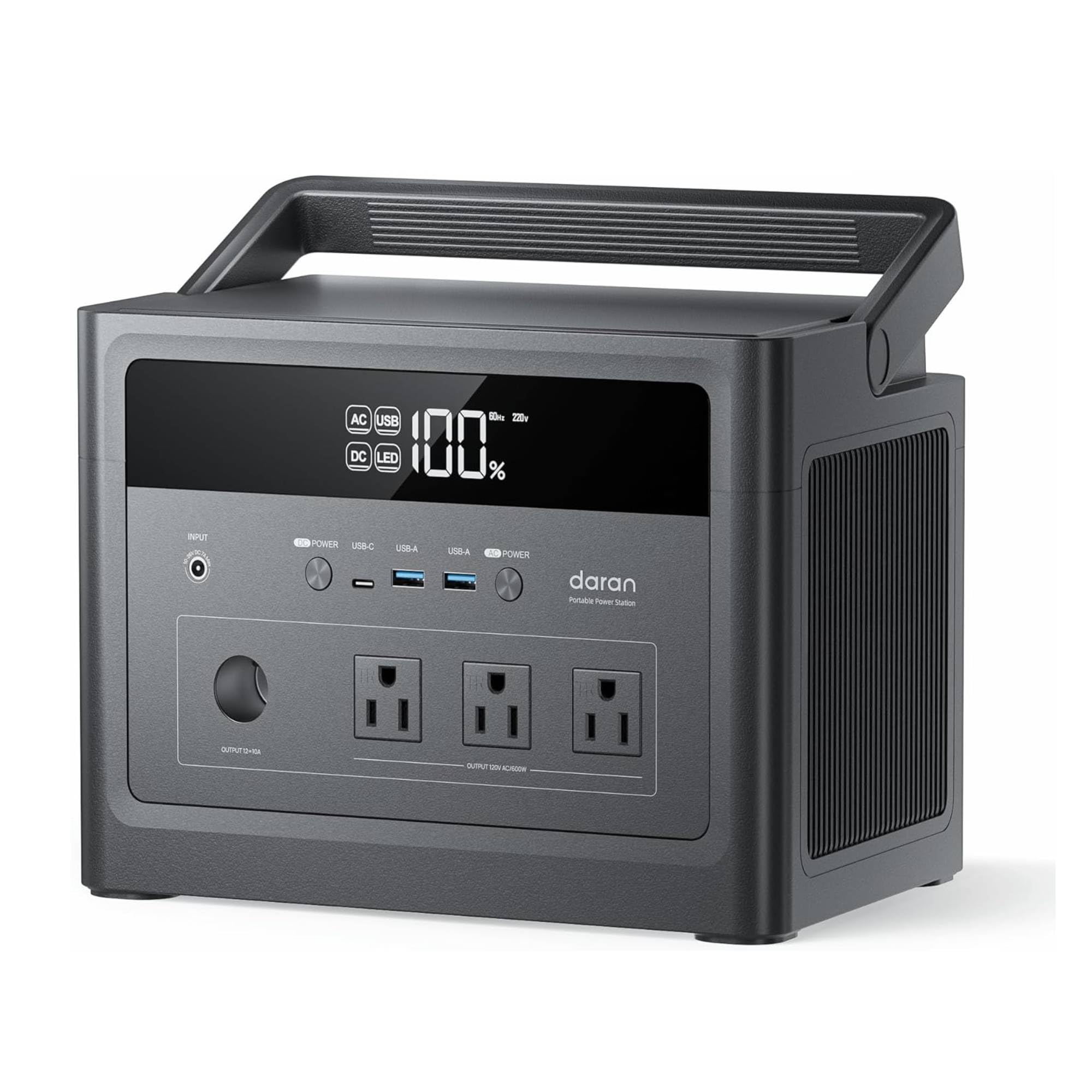
This is a smart prepper gift for anyone who wants quiet emergency backup power without gas, fumes, or noise.
Pros
- Runs small appliances and sensitive gear with stable power
- Charges in several ways, including wall outlet and solar
- Powers multiple devices at the same time
Cons
- Solar panel and car cable cost extra
- Not strong enough for large home appliances
- Battery needs upkeep during long storage
This power station is useful for real-world situations: charging phones, running lights, keeping a laptop alive, powering small fans, or supporting devices like CPAP machines. It provides clean power, which matters for sensitive electronics.
Charging flexibility is another plus. You can recharge via wall outlet, use a car outlet while traveling, or connect solar for off-grid situations. That makes it equally useful for camping, RV use, and home outages.
It is not meant to run large home appliances, so it should be viewed as an “essentials” power solution, not a whole-house replacement. Still, for beginners, it fills an important gap: staying connected, informed, and functional when the grid goes down.
4) Knowledge: Gear Helps, But Skills Make It Stick
A lot of beginners make the same mistake: they buy gear and assume they are prepared. Gear is great, but gear without knowledge creates false confidence. The best preparedness approach is to combine tools with simple, practical learning.
Ultimate Prepper’s Survival Bible
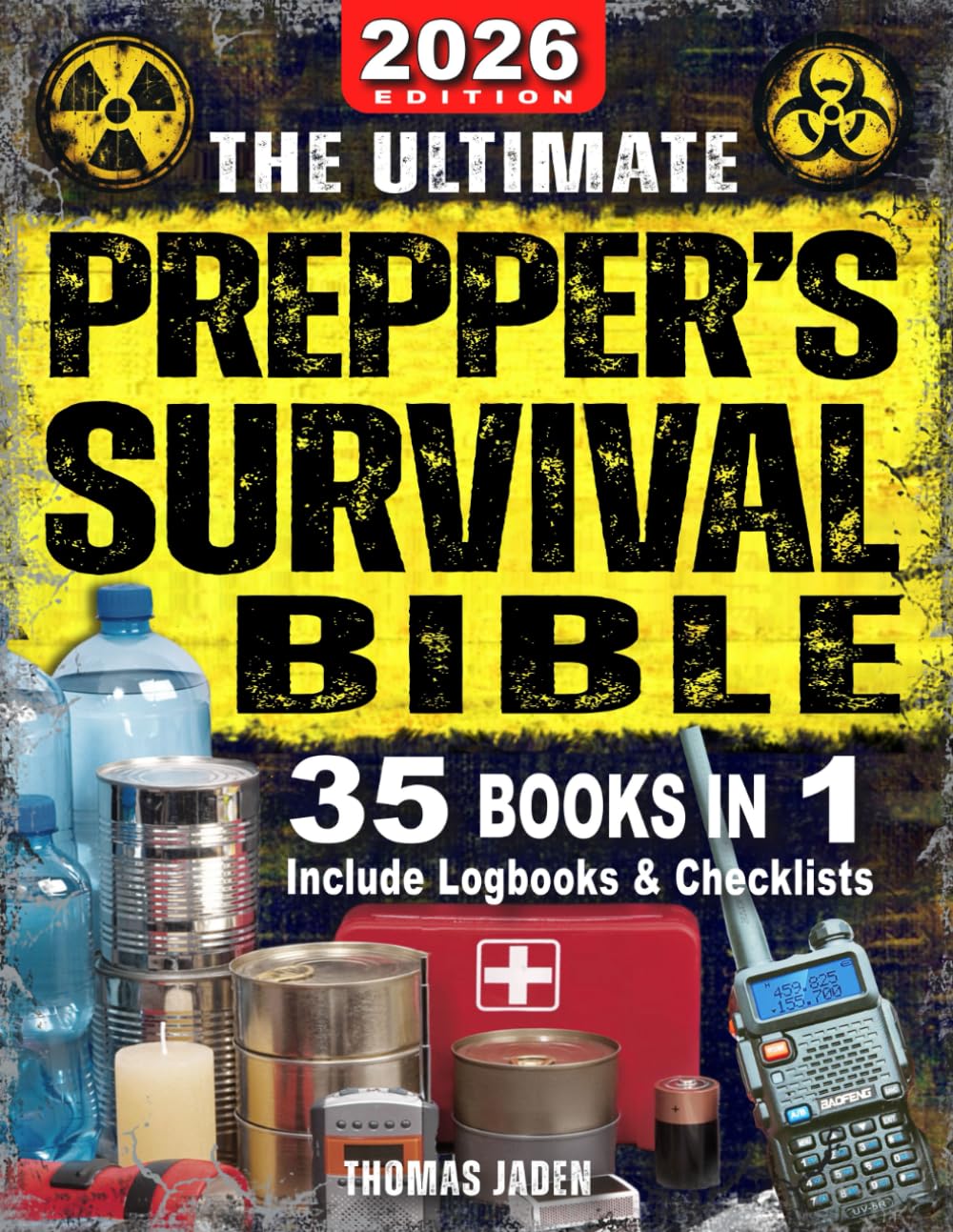
This is a giftable, beginner-friendly guide that covers the major categories of preparedness in one place.
Pros
- Covers many survival topics in one place
- Written in clear, direct language
- Good starting point for beginners
Cons
- Some topics lack deep detail
- Large size makes it less portable
- Focuses more on overview than advanced tactics
This book covers a wide range of topics like food storage, water filtration, first aid, and home defense. For beginners, the biggest benefit is clarity. It gives you a framework for what matters and what to prioritize, without pushing extreme scenarios.
Some sections may feel brief if you are more experienced, but that is not a downside for a new prepper audience. It is a foundation builder. It is also easy to wrap as a gift because it feels helpful and practical, not gimmicky.
Pairing knowledge with gear is how a beginner becomes confident. The goal is not to own the most stuff. The goal is to understand what you have and how to use it.
5) Morale: A Calm Mind Is Part of Preparedness
This is the part many people forget. Long outages and stressful disruptions are mentally draining. People get bored, irritated, and tense. If you have kids, that stress can multiply quickly. Morale is not “extra.” It is part of keeping a situation stable.
A simple game can help people stay connected, pass the time, and keep the mood lighter, especially when normal routines are disrupted.
Survivor: The Tribe Has Spoken Card Game

This is a fun, survival-themed gift that keeps spirits up during long power outages and makes “being prepared” feel more approachable for beginners.
Pros
- Easy to learn and quick to play
- Encourages teamwork, strategy, and social skills
- Great morale booster for groups
Cons
- Works better with larger groups
- Limited replay value for some players
- Focuses on fun, not real survival skills
During disruptions, boredom can turn into frustration fast. A simple card game creates laughter, routine, and connection. That matters more than people think when everyone is tired and stuck at home.
The theme fits naturally with a preparedness gift basket, and it is an easy way to make prepping feel less intimidating. It is also a smart add-on item if your goal is to build a beginner-friendly “preparedness lifestyle” instead of a fear-based gear pile.
How to Choose the Right Emergency Gear
If you are shopping for yourself or buying gifts, keep it simple. Start with a basic prepper checklist and prioritize items that support the core pillars: medical readiness, light and warmth, vehicle safety, backup power, and practical knowledge.
Durability comes next. Gear should handle rough handling and long storage. If it feels flimsy out of the box, it may fail when you actually need it.
Portability matters because preparedness gear often lives in a trunk, closet, or go-bag. Smaller and simpler usually wins for beginners.
| Feature | What to Look For |
|---|---|
| Durability | Strong materials, solid construction |
| Portability | Lightweight, compact size |
| Versatility | More than one use |
| Usability | Simple design, clear instructions |
Usability is the big one for beginners. If something takes a complicated setup or requires special knowledge, it may sit unused. The best emergency gear works quickly and simply, even when you are stressed.
One final tip: once you buy gear, do a quick “practice run.” Inflate a tire once with your compressor. Open your first aid kit and learn where things are. Charge your power station and test a device. That small step turns gear into real readiness.
Final Thoughts: Start Small, Build Steady
Preparedness does not require panic buying or extreme thinking. It is about steady progress and practical choices.
Start with medical readiness. Strengthen your vehicle kit. Add backup power. Build knowledge. Support morale. When you improve one pillar at a time, you create a system that handles real-life disruptions calmly and effectively.
These prepper gift ideas are useful because they solve common problems. They help keep small emergencies small, and they make bigger disruptions far easier to manage.